12 Best Things to Do in Los Haitises National Park, Dominican Republic (2027 Guide)
Looking for the best things to do in Los Haitises National Park This extraordinary destination in the Dominican Republic is famous for its spectacular limestone islands, winding mangrove channels, tropical forests, caves with ancient Taíno rock art, and remarkable birdlife.
Located around Samaná Bay in northeastern Dominican Republic, Los Haitises offers a different kind of Caribbean adventure. Instead of spending the entire day on a beach, you can explore protected natural landscapes by boat, discover caves with a local guide, paddle through mangrove waterways, hike through tropical vegetation, and experience the region's rich cultural heritage.
Whether you are staying in Punta Cana, Miches, Samaná, Las Terrenas, or Sabana de la Mar, this guide explains the best activities, how to plan your visit, and which experiences are worth including in your itinerary.
Quick Guide: What to Do in Los Haitises National Park
If you have limited time, start with these highlights:
- Take a guided Los Haitises boat tour.
- Explore the mangrove forests and waterways.
- Visit selected caves, including Cueva de la Arena or Cueva de la Línea when available on your route.
- Discover Taíno pictographs and petroglyphs.
- Observe tropical birds and limestone formations.
- Go kayaking on a suitable mangrove route.
- Hike through selected forest trails.
- Visit Caño Hondo's natural freshwater pools on a suitable combination excursion.
- Photograph the dramatic scenery around Samaná Bay.
- Learn about the area's Indigenous history and conservation.
- Experience the destination with a knowledgeable local guide.
- Combine Los Haitises with other attractions in the region if your schedule allows.
The activities available depend on your departure point, the route, weather, and current park access arrangements.
1. Explore Los Haitises National Park by Boat
A guided boat excursion is one of the best ways to experience Los Haitises National Park, particularly if this is your first visit.
The park's landscape features limestone formations rising above the water, small islands, mangrove forests, and coastal habitats. Traveling by boat lets you appreciate these features from the water while reaching selected areas that are difficult to access by road.
During a typical excursion, you may experience:
- Views of limestone hills and rocky islands.
- Passages through mangrove channels.
- Birdwatching opportunities.
- Stops at selected caves.
- Explanations about the park's ecosystem and history from your guide.
Boat routes vary depending on the departure port and conditions, so confirm the specific attractions included in your tour.
Best for: First-time visitors, couples, families, photographers, and travelers who want to see the park's main landscapes in one excursion.
2. Discover the Mangrove Forests
The mangrove forests are among the most distinctive natural attractions in Los Haitises.
These coastal forests grow where land and water meet, creating important habitats for fish, birds, and other wildlife. Their tangled roots help support the ecosystem and protect vulnerable coastal environments.
A boat journey through the mangrove channels offers a closer look at this unusual landscape. Depending on the route, you may travel through narrow waterways surrounded by dense vegetation, with opportunities to observe birds and appreciate the quieter side of the park.
Mangroves are also a highlight for photographers because their roots, reflections, and changing light create striking natural scenes.
Travel tip: Choose an excursion that specifically includes mangrove channels rather than assuming every boat trip follows the same route.
3. Visit the Caves of Los Haitises
The caves of Los Haitises combine natural scenery with important cultural history.
Several caves in the area contain Indigenous Taíno pictographs and petroglyphs. These markings provide a connection to the people who inhabited the island before European colonization.
Depending on the excursion, you may visit sites such as:
- Cueva de la Arena: A cave frequently associated with excursions around the coastal landscape.
- Cueva de la Línea: A cave known for its archaeological and cultural interest.
- Cueva de San Gabriel: Another notable cave in the wider Los Haitises area.
Not every tour visits every cave, and access can depend on the route and current conditions.
A guided visit is especially valuable because it helps explain the historical significance of the sites. Follow your guide's instructions, avoid touching archaeological markings, and respect any photography restrictions.
Best for: History enthusiasts, families with older children, cultural travelers, and visitors who want more than a scenic boat ride.
4. Discover Ancient Taíno Rock Art
Los Haitises is not only a natural attraction; it is also a place of cultural and archaeological importance.
Taíno pictographs and petroglyphs found in selected caves offer evidence of Indigenous cultural traditions and artistic expression. Seeing these markings in their original setting can make the area's history feel much more tangible.
The experience is best enjoyed with a guide who can explain the significance of the cave, the surrounding landscape, and the importance of preserving these cultural sites.
Remember that archaeological sites are fragile. Do not touch, scratch, or attempt to clean the rock art.
Why it is worth doing: It adds historical and cultural context to a destination otherwise known primarily for its mangroves, limestone formations, and wildlife.
5. Go Kayaking Through the Mangroves
Kayaking is an excellent activity for travelers who want a more active and immersive nature experience.
Unlike a larger boat, a kayak lets you move at your own pace through suitable waterways, observe the vegetation more closely, and enjoy the natural sounds of the surrounding environment.
Depending on the route and conditions, a kayaking excursion may include:
- Paddling through mangrove channels.
- Observing birds and coastal vegetation.
- Exploring quiet sections of the waterways.
- Learning about the mangrove ecosystem from a guide.
Kayaking is not available on every tour or every route, so check the itinerary before booking. Ask whether equipment, safety instructions, and a guide are included.
Best for: Active travelers, couples, nature lovers, and visitors seeking an eco-adventure.
6. Go Hiking in the Tropical Forest
While boat trips reveal the waterways and coastal scenery, hiking offers a different perspective on Los Haitises.
Selected forest trails allow visitors to explore the vegetation, observe the landscape from land, and learn about the area's natural environment.
A guided hike may introduce you to tropical plants, geological features, and signs of wildlife. Walking also provides more opportunities to appreciate details that can be easy to miss from a boat.
Trail length, difficulty, and accessibility vary. Ask about the route before booking, especially if you are traveling with children or anyone with limited mobility.
Best for: Hikers, outdoor enthusiasts, nature photographers, and travelers who want a more active experience.
7. Watch Tropical Birds and Wildlife
Los Haitises is a rewarding destination for birdwatching because its mangroves, forests, wetlands, coastal habitats, and limestone islands support a variety of bird species.
Depending on the location and conditions, visitors may observe pelicans, herons, egrets, Hispaniolan woodpeckers, and other birds. The endangered Ridgway's hawk is among the notable species associated with the wider region.
Wildlife sightings are never guaranteed. The experience depends on the season, time of day, weather, and the habitats visited.
If birdwatching is a priority, tell your guide before the excursion. A knowledgeable local guide can help identify species and explain their behavior while ensuring that wildlife is observed responsibly.
Best for: Birdwatchers, photographers, families, and travelers interested in biodiversity.
8. Visit Caño Hondo's Natural Freshwater Pools
If you want to extend your adventure beyond the boat trip, consider adding Caño Hondo to your itinerary.
The area is known for natural freshwater pools surrounded by lush vegetation. Depending on access conditions and your chosen package, you may have the opportunity to relax beside the water or enjoy a swim after exploring Los Haitises.
Some excursions combine a boat tour with lunch and a visit to the pools, creating a varied day of nature and relaxation.
However, Caño Hondo is a separate stop from the park's boat and cave attractions. Do not assume it is included in every Los Haitises tour.
Best for: Travelers who want to combine exploration with time to relax in a natural setting.
9. Photograph the Limestone Islands and Coastal Landscapes
Los Haitises offers excellent opportunities for nature photography.
The area's limestone formations, mangrove roots, reflections, tropical vegetation, and changing coastal light create a landscape that differs from the familiar white-sand beaches of the Dominican Republic.
During your excursion, look for opportunities to photograph:
- Limestone formations rising above the water.
- Mangrove channels and their reflections.
- Birds in their natural habitats.
- Textures and patterns in the forest.
- Scenic views across Samaná Bay.
A waterproof bag is useful for protecting your phone or camera during boat travel. Follow your guide's instructions around caves and archaeological sites, where restrictions may apply.
Best for: Landscape photographers, content creators, nature enthusiasts, and travelers who enjoy capturing unique destinations.
10. Learn About the Ecosystem and Conservation
Los Haitises is an important protected natural area, and learning about its ecosystem can make your visit more meaningful.
Mangroves help support coastal biodiversity, provide habitats for wildlife, and contribute to the stability of coastal environments. Tropical forests and wetlands also play important roles in the region's ecological balance.
A responsible excursion should respect park regulations, avoid disturbing wildlife, and minimize waste.
During your visit, ask your guide about the relationship between the mangroves, coastal waters, birds, and local communities. These details help explain why protecting Los Haitises matters beyond its value as a tourist destination.
Best for: Educational trips, families, students, and travelers interested in responsible tourism.
11. Explore Los Haitises With a Local Guide
A knowledgeable guide can transform a sightseeing trip into a richer experience.
Instead of simply passing limestone islands or entering a cave, you can learn about the landscape, wildlife, local history, and the significance of the sites you visit.
When selecting a tour operator, check:
- Whether the guide is appropriately authorized for the activity.
- Which attractions are included.
- The departure point and total duration.
- Whether transportation and meals are included.
- The group's size and available equipment.
- The operator's approach to safety and conservation.
Choose a tour that clearly explains its itinerary rather than relying only on promotional photographs.
12. Combine Los Haitises With Other Attractions
If you have a full day available, you may be able to combine Los Haitises with another attraction in the region.
Possible combinations depend on your departure point and the operator's itinerary.
Los Haitises and Caño Hondo
Combine a boat excursion and selected cave visits with time at the natural freshwater pools near Caño Hondo.
Los Haitises and Montaña Redonda
Some regional itineraries combine nature exploration with the panoramic viewpoints at Montaña Redonda. This can be appealing to travelers who want both landscapes and elevated views.
Los Haitises and Miches
Miches is known for its beaches, nature experiences, and scenic viewpoints. Depending on your starting point and schedule, it may be possible to plan Los Haitises alongside other attractions in the area.
Los Haitises and Samaná
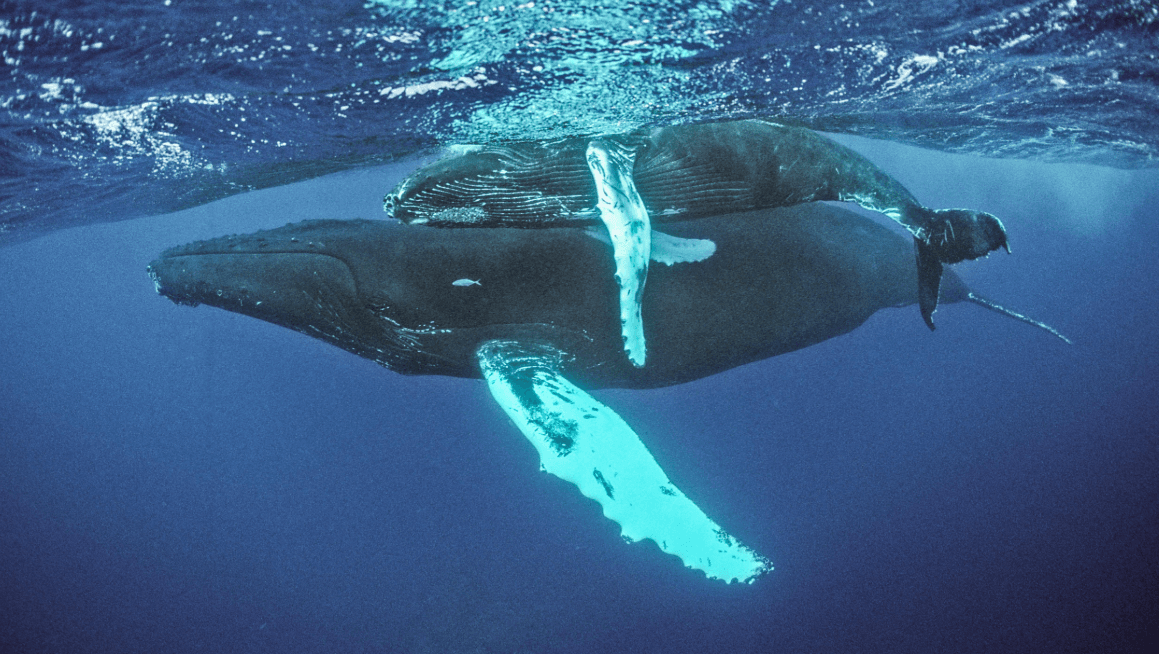
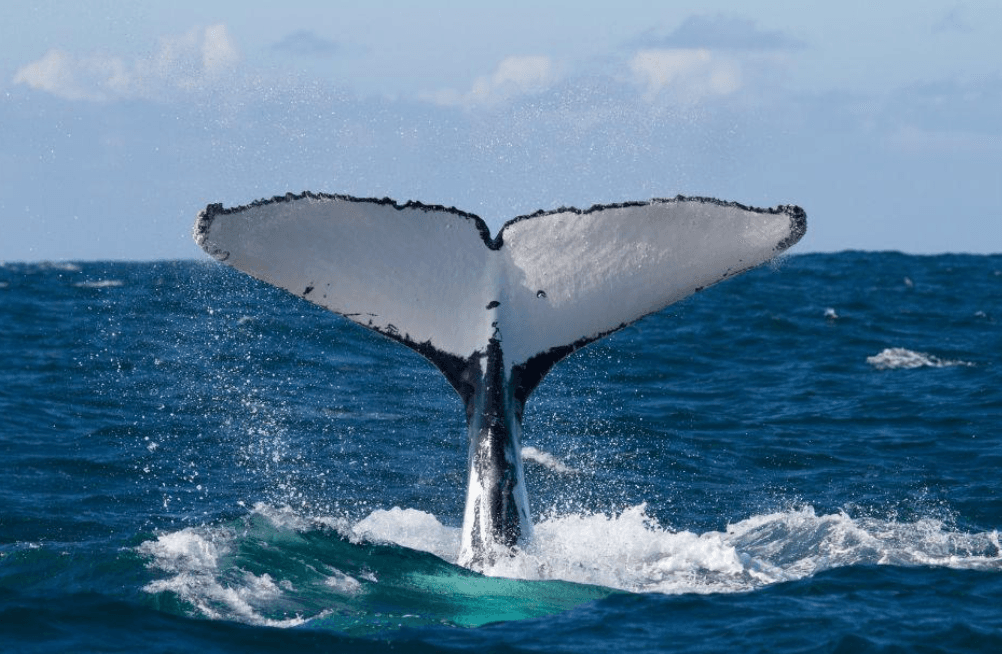
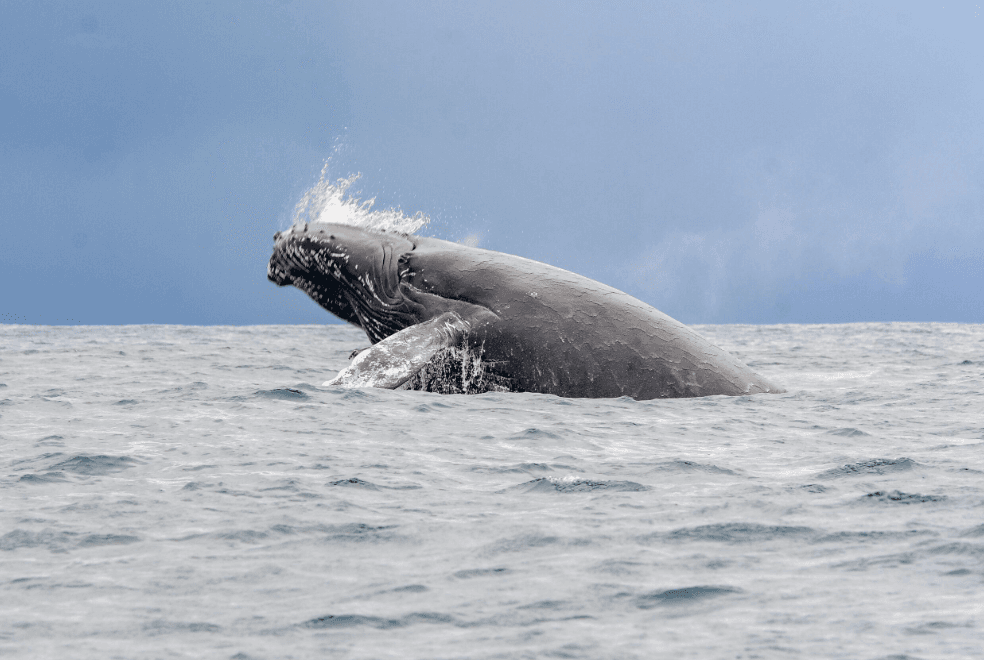
Travelers staying around Samaná can explore the park and plan additional excursions on the peninsula. Seasonal whale watching is a separate activity, generally associated with the humpback whale season in Samaná Bay.
Important: These combinations are not included in every tour. Confirm travel times and inclusions before booking so you have enough time to enjoy each stop.
What Is the Best Los Haitises Tour?
The best tour depends on the experience you want.
Tour typeBest forWhat to checkBoat and cave tourFirst-time visitorsMangrove route, cave stops, guideKayaking excursionActive travelersRoute, equipment, safety briefingHiking and nature tourOutdoor enthusiastsTrail difficulty and durationBirdwatching excursionWildlife loversGuide experience and routeLos Haitises and Caño HondoNature and relaxationPool access, lunch, total durationPrivate excursionCouples and small groupsBoat arrangements, group size, flexibilityFull-day tour from Punta CanaResort visitorsPickup time, road transfers, return time
Compare the entire itinerary rather than the price alone. The departure point can make a substantial difference to how much time you spend traveling versus exploring.
How to Visit Los Haitises National Park
The most practical way to visit Los Haitises is usually through an organized excursion with a suitable departure point and a guided route.
Common starting areas include Sabana de la Mar, Samaná, and Sánchez. Travelers staying in Punta Cana, Miches, or other destinations may need additional ground transportation.
Before booking, confirm the departure point, expected duration, transportation, cave visits, meals, and any optional activities.
For travelers staying far away, ask for the full door-to-door schedule rather than just the duration of the boat tour.
What Is the Best Time to Visit Los Haitises?
Los Haitises can be visited throughout the year, subject to weather, sea conditions, park regulations, and tour availability.
Outdoor excursions are more enjoyable when you are prepared for tropical conditions. Check the forecast before departure and follow your operator's advice if weather or sea conditions change.
Bring sunscreen, a hat, drinking water, comfortable clothing, and suitable footwear. A waterproof bag is helpful for protecting personal belongings during boat travel.
Is Los Haitises National Park Worth Visiting?
Yes. Los Haitises is worth visiting if you want to discover a different side of the Dominican Republic.
Its combination of limestone landscapes, mangrove forests, caves, Taíno heritage, birdlife, and outdoor activities makes it one of the region's most distinctive nature destinations.
A boat tour with cave visits is an excellent starting point for first-time visitors. If you have more time, consider adding kayaking, hiking, birdwatching, or Caño Hondo's natural pools.
The most important thing is to select an excursion that fits your location, interests, and available time.
Book Your Los Haitises Adventure
Ready to explore the best things to do in Los Haitises National Park?
Discover nature excursions and guided experiences with Booking Adventures. Compare available tours, check departure points, and choose an itinerary that matches your Dominican Republic vacation.
Whether you want to explore mangroves by boat, discover caves with Taíno rock art, observe tropical birds, or combine several outdoor activities, Los Haitises offers an opportunity to experience the natural and cultural heritage of the Dominican Republic.
Frequently Asked Questions About Things to Do in Los Haitises National Park
What is the best thing to do in Los Haitises National Park?
A guided boat tour through the park, combined with selected cave visits, is one of the most popular ways to experience Los Haitises. Kayaking, hiking, and birdwatching are excellent additional activities when available.
Can you visit caves in Los Haitises?
Yes. Selected caves can be visited on guided excursions. Some contain Taíno pictographs or petroglyphs, although the caves included depend on the route and current access conditions.
Can you go kayaking in Los Haitises?
Yes, kayaking is available on selected routes. It provides a quieter way to experience suitable waterways and mangrove environments.
Is Los Haitises good for birdwatching?
Yes. The park's mangroves, wetlands, forests, and coastal habitats support diverse birdlife. Sightings vary, and a knowledgeable guide can help identify species.
Can you swim in Los Haitises?
Swimming is not the main activity on a typical boat and cave tour, and it depends on the specific location and permitted activities. Some itineraries include Caño Hondo's natural freshwater pools as a separate stop.
How long should you spend in Los Haitises?
Several hours may be sufficient for a boat and cave excursion. A full-day itinerary is better if you want to add transportation, lunch, kayaking, hiking, or nearby attractions.
Can you visit Los Haitises from Punta Cana?
Yes. Organized excursions can be arranged from Punta Cana, but the journey is longer than from nearby departure points. Confirm the pickup time and total duration.
What should you bring to Los Haitises?
Bring sunscreen, a hat, drinking water, comfortable clothing, suitable footwear, and a waterproof bag. A towel and change of clothes may be useful if your itinerary includes swimming.
Is Los Haitises suitable for children?
Many families enjoy the boat trips and natural scenery. Check the tour's age requirements, safety equipment, walking distances, and suitability for your children's needs.
Do you need a guide to visit Los Haitises?
A guided excursion is the practical choice for most visitors. Follow current park access rules and select an appropriately authorized guide or operator for your chosen activities.
Travel note: Activities, access, tour schedules, and inclusions may change. Confirm current arrangements with your tour operator before traveling.
About Booking Adventures: Booking Adventures helps travelers discover guided excursions, nature experiences, and cultural attractions across the Dominican Republic.
Local explorer & expert guide in Salto El Zumbador.