Why Do Humpback Whales Visit Samaná Bay Migration, Calves and Whale Behavior
Every year, humpback whales make an extraordinary journey from their feeding grounds in the North Atlantic to the warmer waters of the Caribbean. One of their important seasonal destinations is the Dominican Republic, where Samaná Bay and the surrounding marine sanctuary provide opportunities to observe these remarkable animals in their natural environment.
+1
But why do whales travel so far What happens when they reach Samaná And what can visitors learn by watching them?
Understanding the whales' migration helps make a whale-watching trip more meaningful. Rather than simply looking for a tail or a splash, visitors can appreciate the seasonal journey, reproduction and early life of one of the ocean's most impressive mammals.
Why Do Humpback Whales Migrate to Samaná?
Humpback whales migrate between productive feeding grounds in colder waters and warmer tropical or subtropical breeding areas.
These habitats serve different purposes. Colder northern waters provide important feeding opportunities, while Caribbean waters offer a seasonal environment in which whales can mate and females can give birth.
The Dominican Republic is part of this broader North Atlantic migration system. Samaná is particularly well known as a place to observe humpback whales during the winter breeding season.
+1
1. Warm water for breeding and calves
Newborn calves need to reach the surface to breathe and remain close to their mothers. Warm tropical waters provide a different environment from the colder northern feeding grounds.
Samaná's marine environment is an important part of the whales' reproductive habitat, although whales may also use other areas throughout the Caribbean.
2. A seasonal destination, not a permanent home
Humpback whales do not remain in Samaná throughout the year. They move between different habitats as part of their annual life cycle.
This is why whale watching in the region is seasonal. Visitors planning a trip should focus on the established winter season and confirm current operating dates with local tour providers.
3. A long-distance journey
Humpback whales can travel thousands of kilometres between feeding and breeding areas. The precise route and distance depend on the population and the locations involved.
The journey demonstrates how whale conservation extends beyond one bay or country. Protecting whales requires attention to feeding grounds, breeding areas, migration routes and the human activities that affect them.
What Happens When Humpback Whales Reach Samaná Bay?
The breeding season is not a single event. Different whales arrive, move through the region and display different behaviors throughout the season.
Visitors may encounter several types of whale activity.
Courtship and competition
Male humpback whales may compete for access to females. Groups of whales can sometimes be observed moving together at the surface.
Some encounters involve energetic movements, splashing or changes in direction. However, a visitor should not assume that every group is engaged in courtship, and guides should avoid making unsupported claims about individual whales' intentions.
Mothers and calves
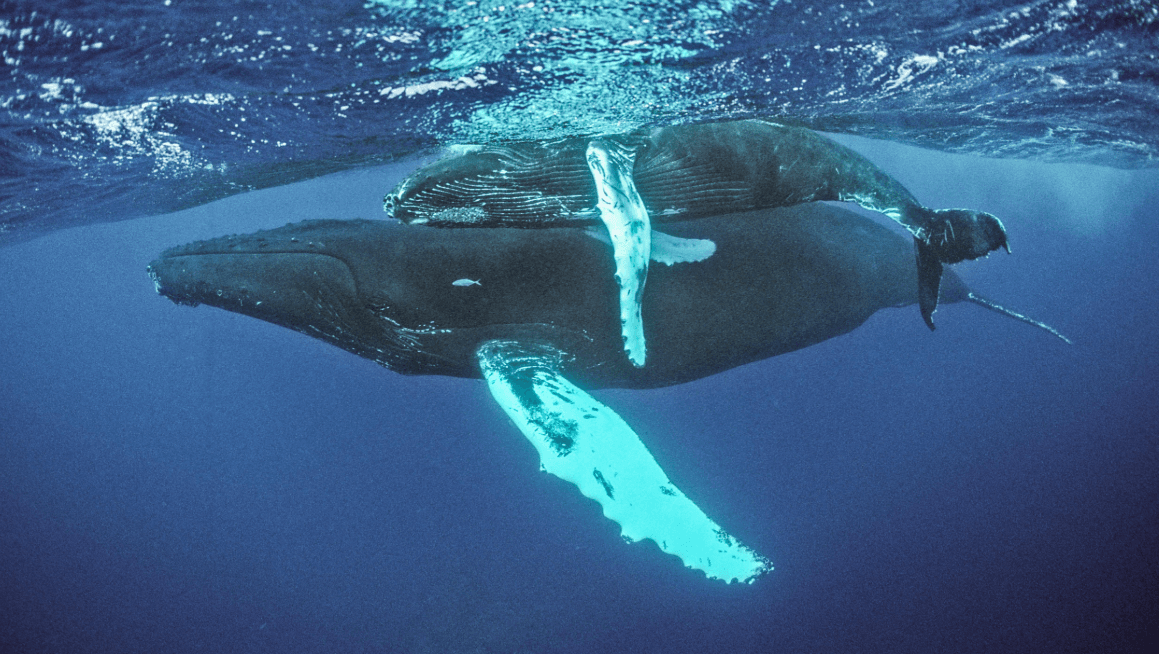
Female humpback whales give birth to calves and nurse them with milk rich in fat. The calves must learn to swim efficiently, surface to breathe and develop the strength needed for their eventual migration.
A mother and calf may move close together, and the calf may surface frequently. Observing such behavior can be a highlight of a trip, but sightings depend on the animals' movements and should never be promised.
Resting and traveling
Not every whale encounter is dramatic. Whales may surface quietly, dive, travel through the water or remain difficult to see.
These quieter moments are also part of observing wildlife. A responsible excursion allows the animals to behave naturally instead of pursuing them to create a more exciting experience.
How Do Humpback Whale Calves Survive Their First Months?
A newborn humpback whale faces a demanding first stage of life. It must breathe at the surface, swim alongside its mother and build the strength required for long-distance travel.
Feeding on mother's milk
Humpback whale calves nurse from their mothers. The milk is energy-rich and supports rapid growth.
Unlike human infants, calves must also develop swimming and diving skills while staying close enough to their mothers for protection and feeding.
Learning to swim and surface
Whales are mammals, so they breathe air through blowholes rather than extracting oxygen from water.
A calf needs to surface regularly. The mother helps it navigate its early environment, while the calf gradually develops the coordination and endurance needed for migration.
Preparing for migration
Eventually, the mother and calf leave their breeding area and travel toward feeding grounds.
This journey makes the early months especially important. Disturbance from vessels or other human activities can be a concern, which is one reason responsible whale-watching rules matter.
What Whale Behaviors Might You See on a Tour?
A trip into Samaná Bay may offer opportunities to observe different natural behaviors, but there is no guarantee of seeing any particular one.
Why Samaná's Whale Sanctuary Matters
The Dominican Republic manages whale watching through a framework intended to protect marine mammals while allowing regulated wildlife tourism.
The International Whaling Commission describes rules for Samaná that include limits on the number of boats observing a whale group, minimum approach distances, restrictions on observation time under specified conditions and a prohibition on swimming with whales.
Whale Watching Handbook
+1
These protections are important because boats can affect the behavior of whales, particularly when several vessels approach the same animals.
Before booking, ask whether the operator is authorized for the relevant season and how its crew follows current regulations. Do not choose an excursion that promises swimming with wild humpback whales in Samaná.
For official information, consult the Dominican Republic Ministry of Environment and the International Whaling Commission's Dominican Republic guide.
When Can You Observe Humpback Whales in Samaná?
The main whale-watching period in Samaná generally falls between January and March. Exact operating dates and seasonal arrangements should be confirmed with the relevant authorities and tour provider.
For 2027, the Dominican Republic's Ministry of Environment has published information about the authorization process for vessels conducting whale-watching activities. This process concerns operator permissions; it should not be confused with a guarantee that a particular tour is available on a particular date.
If observing humpback whales is the main reason for your trip:
- Plan around the usual winter season.
- Confirm the excursion's departure location and operating dates.
- Ask about weather-related changes and cancellation conditions.
- Allow flexibility in your itinerary.
- Remember that wild whale sightings cannot be guaranteed.
How to Choose a Responsible Whale-Watching Experience
A good wildlife excursion should prioritize safety, education and respect for the animals.
Before reserving, consider asking the operator:
- Is the vessel authorized for the current whale-watching season?
- What safety procedures apply to passengers?
- How does the crew follow the rules for approaching whales?
- What happens if weather conditions make the trip unsafe?
- What is the policy if no whales are observed?
These questions help you make an informed decision without relying on unrealistic promises.
If you're researching local options, start with the relevant tour listings at Whale Watching Punta Cana or Samaná Whale Watching Tour. Check the actual itinerary, operator authorization, price and terms before booking.
Frequently Asked Questions
Why do humpback whales come to the Dominican Republic?
They migrate from northern feeding grounds to warmer waters where they can mate and give birth. The Samaná region is an important part of this seasonal migration.
Do humpback whales stay in Samaná all year?
No. They migrate between breeding and feeding habitats, so their presence in Samaná is seasonal.
Can visitors see baby whales?
It is possible to see mothers with calves during the breeding season, but sightings depend on whale movements and cannot be guaranteed.
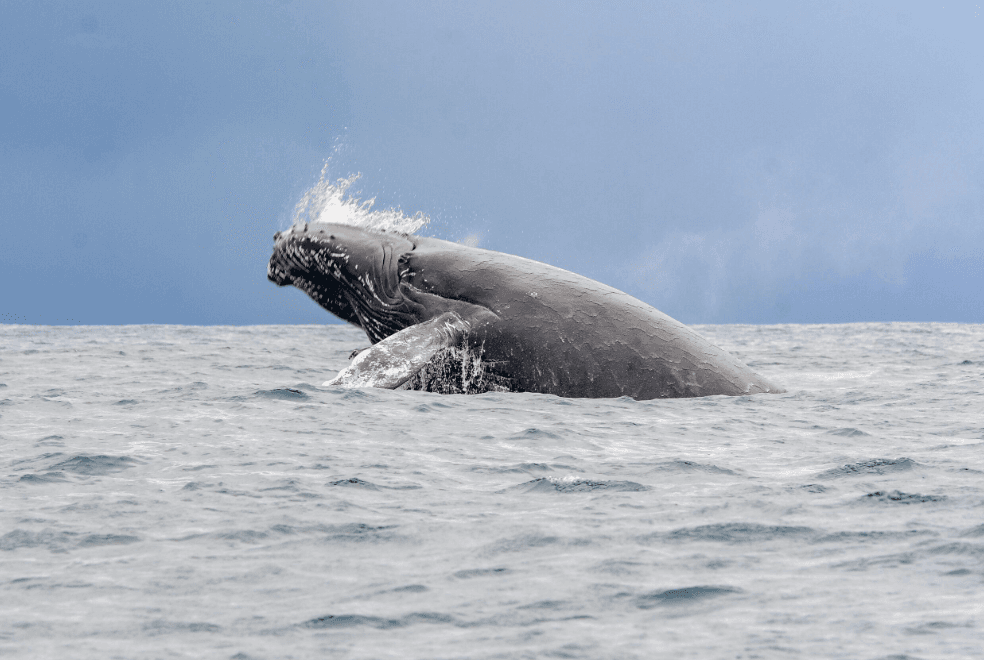
Why do whales jump out of the water?
Breaching is a natural behavior that scientists study. Its purpose may vary, and observers cannot always know why a particular whale breaches.
Is it safe to swim with humpback whales in Samaná?
Swimming with whales is prohibited under the Samaná whale-watching rules described by the International Whaling Commission. Visitors should observe whales from authorized vessels and follow their crew's instructions.
Whale Watching Handbook
What is the best way to learn about whale conservation?
Choose a responsible operator, follow wildlife-viewing rules and consult credible conservation organizations such as the International Whaling Commission and local marine conservation groups.
Conclusion: Experience Samaná's Whales with Respect
The annual migration of humpback whales makes Samaná a remarkable destination for learning about marine wildlife. Their journey, breeding behavior and care of their calves reveal why the region's marine habitats are so important.
For visitors, the best experience is not simply about getting close to a whale. It is about understanding what you are observing, respecting the animals' space and choosing a tour that follows the applicable conservation rules.
If you are planning a 2027 visit, confirm the season's operating arrangements and compare responsible excursion options before booking.

Local explorer & expert guide in Salto El Zumbador.