How to Keep a Whale-Watching Journal in Samaná: A Meaningful Way to Remember Your Trip
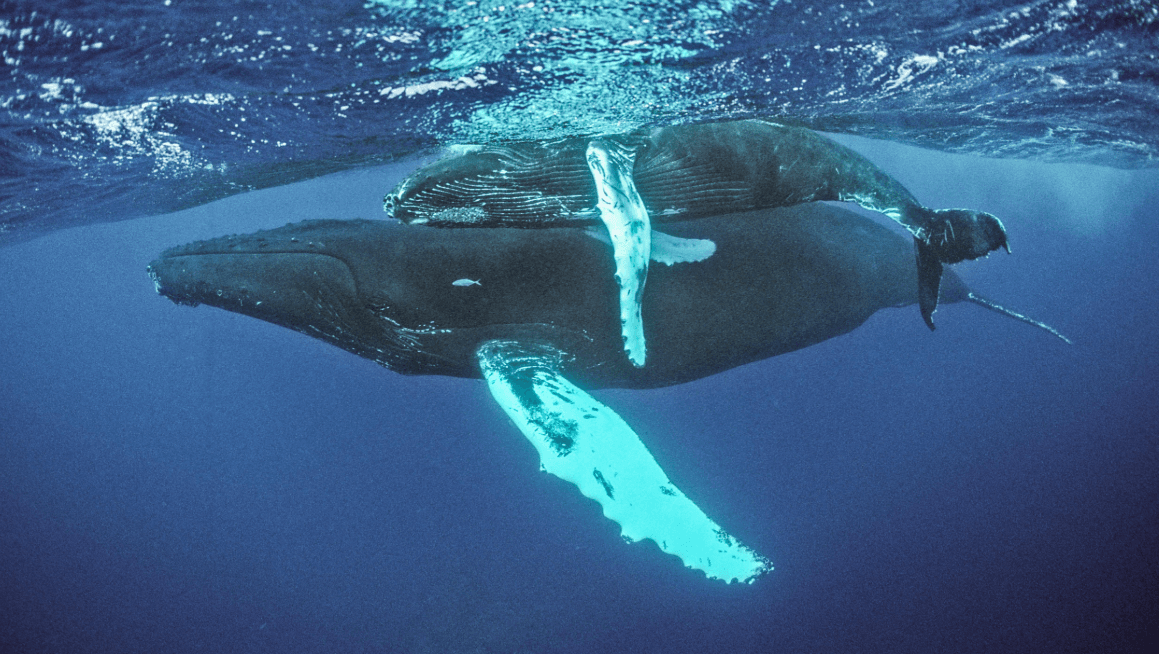
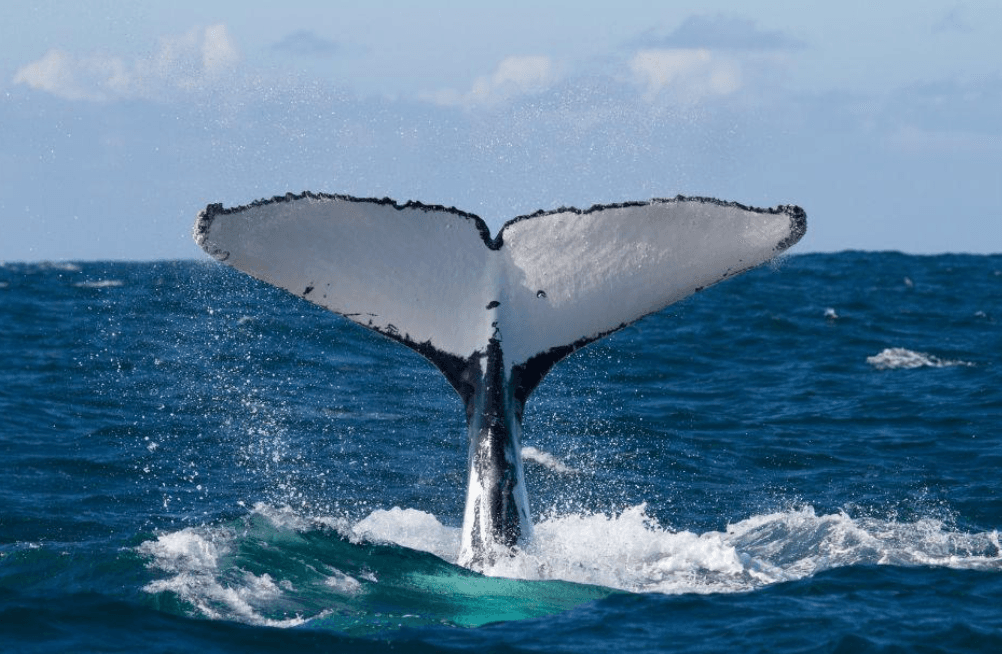
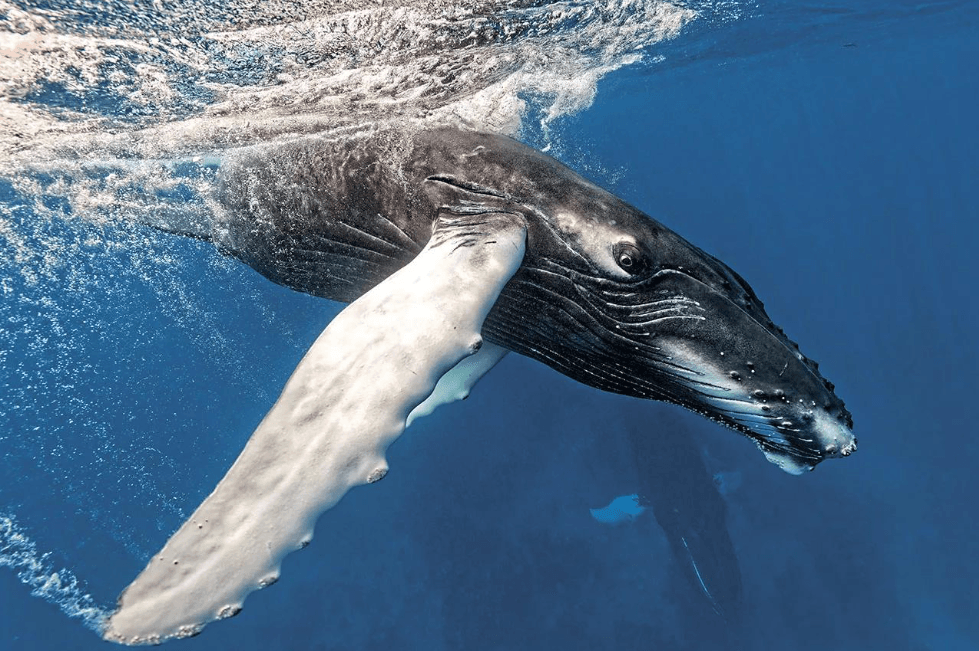
Whale watching in Samaná, Dominican Republic, can be an unforgettable wildlife experience. Watching a humpback whale surface, lift its tail above the water, or appear beside the distant coastline creates memories that are difficult to capture in a single photograph.
One simple way to make the experience more meaningful is to keep a whale-watching journal. By recording what you see, where you travel, and how you feel during the excursion, you can create a personal record that remains valuable long after you leave Samaná.
A journal does not need to be complicated. A small notebook, a few minutes of writing, and a willingness to notice details are enough to get started.
In this guide, you will learn what to record in your Samaná whale-watching journal, how to organize your observations, and how to turn a day on the water into a lasting travel memory.
Why Keep a Whale-Watching Journal in Samaná?
A whale-watching journal offers more than a place to write down what happened during your tour. It encourages you to pay attention to the experience and remember details you might otherwise forget.
Preserve Your Travel Memories
After a busy vacation, individual experiences can begin to blend together. A journal helps preserve the details of your whale-watching trip, including the boat ride, the scenery, the people you traveled with, and the moments that surprised you.
You might remember the excitement of seeing your first whale or the quiet atmosphere when the boat paused to observe an animal in the distance.
Writing these details down gives you something personal to revisit later.
Become a More Observant Wildlife Traveler
Keeping notes encourages you to observe more carefully. Instead of simply waiting for the next whale sighting, you may begin noticing the direction of a whale's movement, the shape of its tail, or changes in the surrounding sea.
You do not need scientific training to record these observations. The goal is to describe what you actually saw without guessing about details you could not confirm.
Learn From Future Trips
If you visit Samaná again, your previous notes can help you compare your experiences. You might record the date, general sea conditions, approximate observation times, and the wildlife you encountered.
Over time, these entries can become a useful personal travel archive. They should not be treated as formal scientific data, but they can help you remember the differences between individual excursions.
What Should You Record in Your Journal?
The best journal entries are simple, specific, and honest. Start with a few basic details and add anything that makes the experience memorable.
1. Write Down the Date and Location
Begin each entry with the date of your trip and the general area you visited.
For example, you could note that you joined a whale-watching excursion in Samaná Bay during the winter whale-watching season.
If your guide identifies a particular location, you can include it in your notes. Avoid guessing the exact location if you are unsure.
Useful details include:
- Date of the excursion
- Departure location
- General area visited
- Tour duration, if known
- Name of the tour operator, if you want to remember it
These details provide context for the rest of your entry.
2. Describe the Sea and Weather Conditions
The surrounding environment is part of the whale-watching experience. Record what you noticed about the weather and the water during the trip.
For example, you might describe the morning as sunny, the water as relatively calm, or the coastline as partly obscured by clouds.
Keep your descriptions based on direct observation. You do not need to estimate wind speed, wave height, or water temperature unless you have reliable information.
A short description such as “light clouds, warm air, and gentle movement on the water” can be enough to bring the experience back to life.
3. Record Your Whale Sightings
When you see a whale, note the behaviors you can clearly identify.
Possible observations include:
- Surfacing: The whale appeared at the water's surface.
- Blowing: A visible plume of exhaled air and water droplets appeared above the whale.
- Tail display: The whale raised its tail flukes above the water.
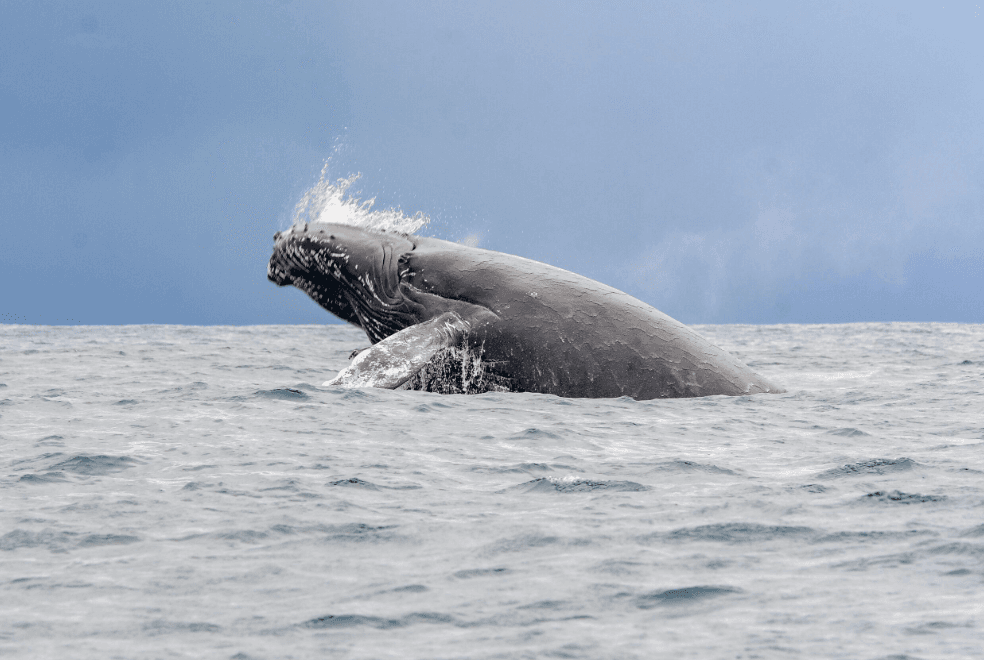
- Breaching: The whale launched much or all of its body out of the water.
- Diving: The whale disappeared below the surface.
Not every excursion includes all these behaviors, and sightings can be unpredictable.
If you are uncertain what a whale was doing, describe the movement in ordinary language instead of assigning a label. For example, write “the whale raised its tail before disappearing” rather than claiming a specific behavior you could not confidently identify.
4. Note How Many Whales You Observed
If you can confidently distinguish individual whales, record your observations. However, avoid assuming that every appearance represents a different animal.
A whale may surface several times, disappear briefly, and return to view. From a boat, it may be difficult to determine whether you are seeing the same individual or another whale nearby.
A careful entry might say, “I observed at least two whales in the area, although I could not confirm whether other sightings involved the same animals.”
This approach keeps your journal accurate without reducing the excitement of the experience.
5. Include the Details That Surprised You
Some of the most memorable moments are not necessarily the biggest displays.
Perhaps you noticed a whale's enormous tail, the sound of water moving around the boat, or the sudden excitement among passengers when an animal surfaced.
Write down the small details that made the trip special to you. Personal impressions are an important part of a travel journal, even when they are not scientific observations.
How to Organize Your Whale-Watching Notes
You can choose a format that matches your travel style. The most effective system is the one you will actually use.
Option One: A Traditional Notebook
A paper notebook is simple, portable, and easy to use without relying on a battery or internet connection.
Choose one that fits easily into your day bag. Leave a little space on each page for additional notes or a quick sketch.
You can also keep a separate section for other Samaná experiences, such as coastal scenery, local food, and places you visited before or after the excursion.
Option Two: A Digital Journal
A notes application or digital document can be useful if you prefer typing. You can organize entries by date, add headings, and keep related trip information together.
Digital notes also make it easy to search for a particular experience later.
If you use your phone on a boat, protect it from splashes and keep it secure. Follow the crew's safety instructions and avoid using your device when doing so would distract you from important guidance.
Option Three: A Journal With Photos
Photographs can complement written observations by helping you remember the scenery and particular moments.
For each photo, add a short caption describing what you know about it. Include the date and general location when available, and distinguish confirmed details from assumptions.
A photograph alone may not establish which individual whale is shown. Avoid claiming an identification unless it has been reliably confirmed.
You can also keep some entries entirely text-based. A journal does not need a photograph to preserve a meaningful memory.
A Simple Whale-Watching Journal Template
Use this template for each excursion. You can copy it into a notebook or digital document.
Trip details
- Date:
- General location:
- Departure point:
- Tour operator:
- Weather and sea conditions:
Wildlife observations
- Approximate number of whales observed:
- Behaviors seen:
- Approximate time of notable sightings:
- Other wildlife observed:
- Details I could not confirm:
Personal reflections
- My most memorable moment:
- Something new I learned:
- Something that surprised me:
- What I would like to learn next:
- Overall impression of the trip:
You do not need to fill in every section. A few accurate notes are more useful than a long entry filled with guesses.
When Is the Best Time to Write Your Notes?
During a whale-watching excursion, your first priority should be listening to the guide, following safety instructions, and experiencing the wildlife.
You do not need to write continuously.
Instead, remember a few key details and complete your entry when it is safe and convenient. You can also write more comprehensive notes after returning to shore.
If you want to record the approximate time of a sighting, check the time discreetly when practical. If you do not know the exact time, an estimate is perfectly acceptable as long as you identify it as approximate.
Try to complete your journal entry on the same day. Details such as the order of sightings, the condition of the sea, and your immediate reactions are often easier to recall soon after the trip.
How to Make Your Journal More Interesting
A journal becomes more valuable when it reflects your individual experience rather than reading like a checklist.
Add a Short Narrative
After recording the facts, write a few sentences about how the excursion unfolded.
For example:
“We traveled across the bay while the coastline gradually receded behind us. After a period of searching, a whale surfaced at a distance. I watched it rise and disappear again, realizing how much of its life remained hidden beneath the water.”
This type of entry captures the atmosphere of the moment without claiming more than you observed.
Include Questions You Want to Answer
A journal can also guide your future learning. Write down questions that arise during the trip, such as:
- Why do humpback whales migrate to Caribbean waters?
- How can researchers identify individual humpback whales?
- Why do whales sometimes raise their tails before diving?
- How do guides observe whales while minimizing disturbance?
You can research these questions later using reputable marine science and conservation resources.
Keeping questions separate from confirmed observations helps you distinguish what you witnessed from what you learned afterward.
Sketch What You Saw
You do not need to be an artist to make a useful sketch. A simple outline of a tail, a whale's position in the water, or the surrounding coastline can help you remember a sighting.
Label sketches as personal illustrations rather than scientific drawings. If you are unsure about a detail, leave it out instead of inventing it.
Responsible Wildlife Observation and Journal Keeping
A good whale-watching journal respects the animals being observed.
Do not ask a boat operator to approach a whale more closely just so you can make better notes or obtain a clearer photograph. Follow your guide's instructions and applicable wildlife-viewing rules.
Avoid recording speculative claims about an animal's age, health, identity, or behavior as established facts. A brief sighting from a boat usually cannot answer every question about a whale.
If you plan to share your journal publicly, be thoughtful about sensitive wildlife information. Use general location descriptions when appropriate, and avoid encouraging others to approach animals independently.
The purpose of the journal is to deepen your appreciation of wildlife, not to interfere with it.
Turning Your Journal Into a Lasting Travel Keepsake
When your trip is over, you can turn your entries into a small collection of memories.
Arrange the notes chronologically, add a few selected photographs, and include a short summary of what made the experience meaningful.
You could create a personal travel document, a printed journal, or a private digital album. If you publish a public travel story, separate your personal impressions from factual claims and verify any scientific information you include.
Your journal may also become a useful reference when planning another visit to Samaná. You will be able to revisit what you enjoyed, what you learned, and which questions you still want to explore.
Frequently Asked Questions
Do I need scientific knowledge to keep a whale-watching journal?
No. A journal is useful for beginners and experienced wildlife enthusiasts alike. Start by recording what you see and how you experience the trip. You can learn scientific terminology gradually.
What should I bring to write in my journal on a boat?
A small notebook and a pen are sufficient. A phone or other digital device can also work, provided you keep it secure and follow the crew's instructions.
Should I record every whale sighting?
You can, but you do not need to. Prioritize your safety and enjoyment. Record the sightings you can remember accurately, and use approximate times or counts when necessary.
Can my journal help identify individual humpback whales?
It can help organize your personal observations, but written descriptions alone are generally not enough to identify an individual whale reliably. Researchers may use distinctive tail-fluke patterns and other evidence to identify individuals.
Is a whale-watching journal useful for children?
Yes. Children can draw whales, describe what they noticed, and write down questions. Encourage them to distinguish what they saw from what they imagine or learn later.
Can I publish my journal online?
Yes. You can adapt your notes into a travel story or educational article. Be transparent about personal observations, verify factual claims, and avoid presenting unconfirmed wildlife identifications as facts.
Final Thoughts
Keeping a whale-watching journal in Samaná is a simple way to make your wildlife adventure more memorable. By recording the setting, describing observable whale behaviors, and reflecting on your experience, you can preserve details that might otherwise fade with time.
You do not need perfect handwriting, expert knowledge, or a complicated recording system. Start with a date, a few observations, and the moment that mattered most to you.
Whether this is your first whale-watching excursion or one of many visits to the Dominican Republic, your journal can become a personal record of the wildlife, scenery, and experiences that made your time in Samaná special.

Local explorer & expert guide in Salto El Zumbador.