How Do Scientists Determine Whether a Humpback Whale Returns to Samaná Bay in Multiple Years?
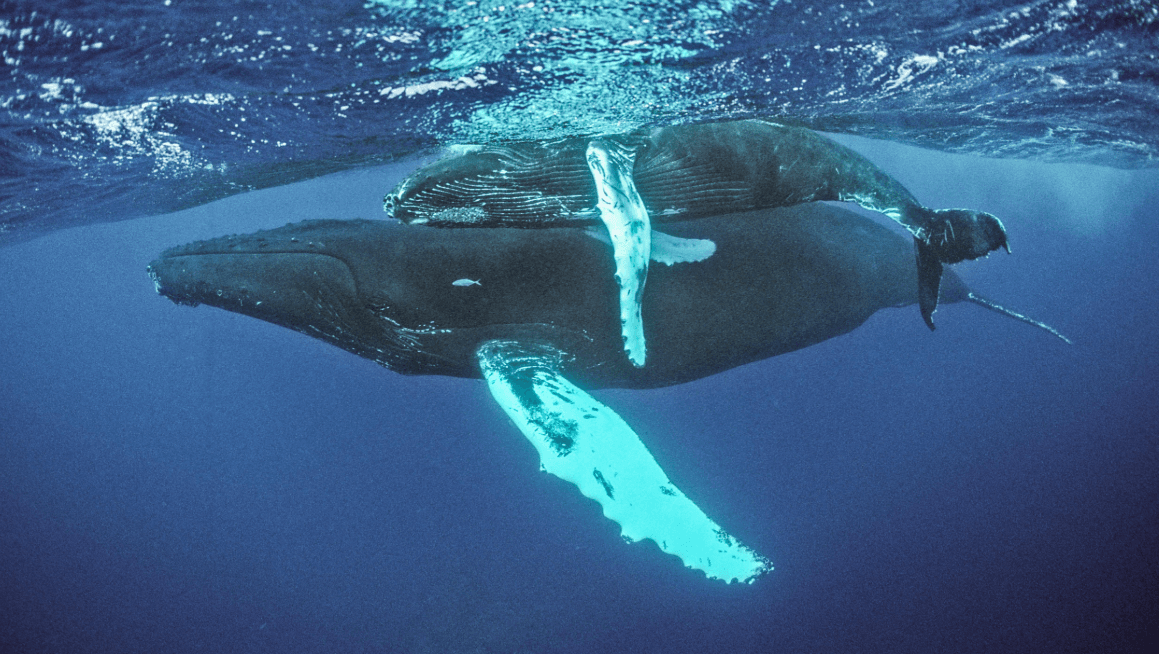
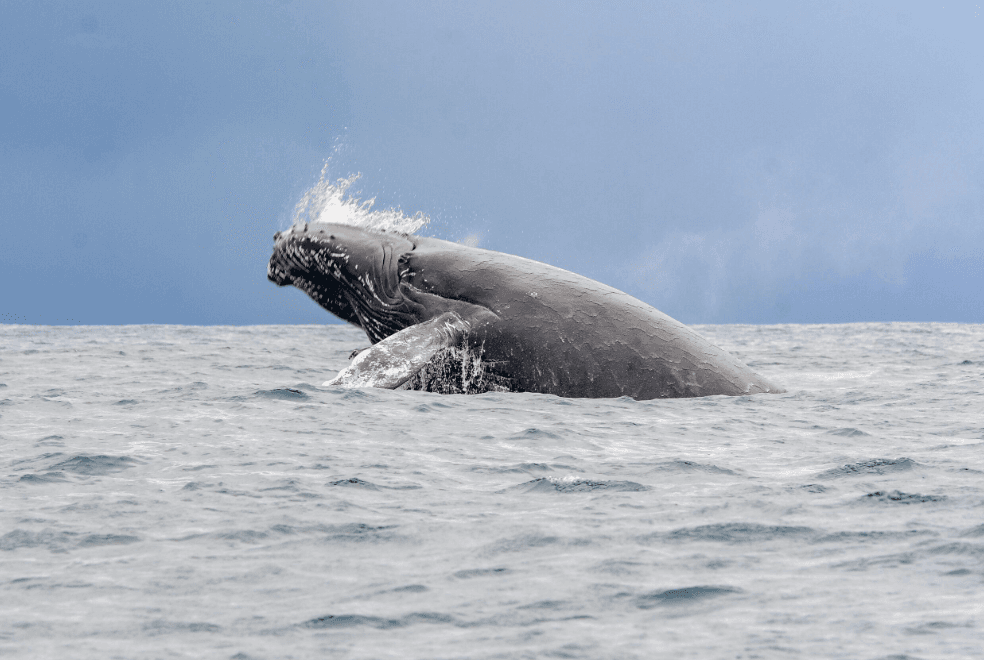
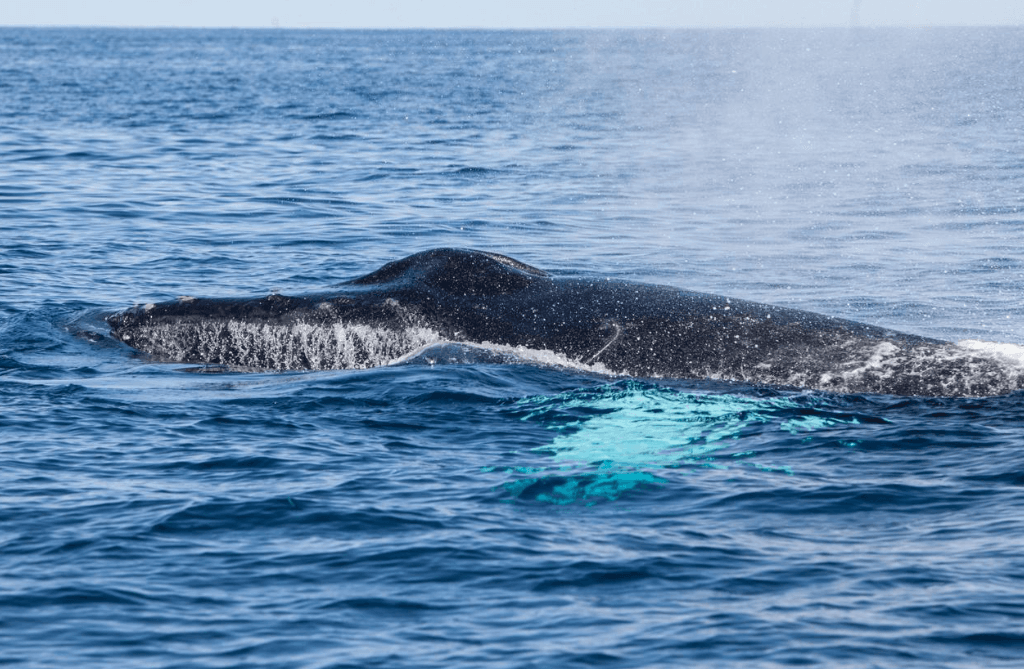
Every year, humpback whales migrate to the warm waters of the Caribbean, making Samaná Bay in the Dominican Republic a popular destination for whale watching. Some whales may be seen more than once during a breeding season, while others may return to the region in different years.
But how can scientists know whether a whale photographed this season is the same individual recorded several years earlier?
Researchers use long-term photographic records, distinctive physical markings, sighting databases, and carefully documented observations to investigate repeat visits. These methods help scientists understand whale movements over time and learn more about how individual animals use important seasonal habitats.
Why Do Scientists Study Returning Humpback Whales?
Determining whether individual whales return to Samaná Bay helps researchers understand patterns of habitat use across multiple breeding seasons.
A single sighting provides information about a whale at one particular moment. Repeated sightings across several years can reveal a much longer history.
For example, researchers may investigate whether a particular whale has been photographed in the bay during multiple seasons, whether it has also been recorded elsewhere, or whether its sighting history suggests a recurring connection with the region.
Long-term records can help answer several questions:
- Do individual whales return to Samaná Bay in different years?
- How frequently are previously identified whales observed again?
- Are some individuals recorded in the region more often than others?
- Do sightings connect whales across different breeding seasons?
- How does the available evidence contribute to understanding migration and habitat use?
These questions are important for marine science and conservation. However, researchers must distinguish a confirmed return from an animal that simply resembles a previously photographed whale.
How Can Scientists Recognize the Same Whale Years Later?
One of the most useful tools is photo identification.
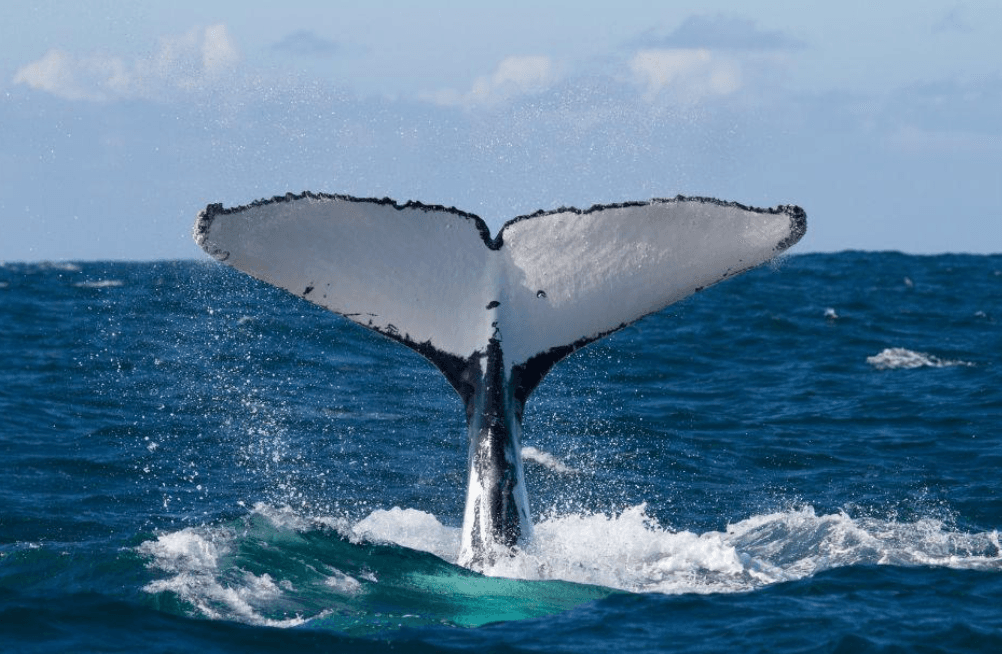
Humpback whales have distinctive patterns on the undersides of their tail flukes. These patterns can include differences in pigmentation, contrasting light and dark areas, scars, and other identifying features.
Researchers photograph the tail flukes and compare the images with photographs collected previously. If the distinguishing features match sufficiently well, the images may be assigned to the same individual.
A successful match can connect a recent sighting with an older record, even when the photographs were taken years apart.
Researchers may also use other visible characteristics, such as dorsal-fin shape and distinctive scars, as supporting information. However, the usefulness of these features varies between individuals and photographs.
Photo identification is not infallible. Poor lighting, an incomplete view of the tail, changes in visible markings, and low image quality can make comparisons difficult. Scientists therefore assess the quality of the evidence before accepting a match.
What Is a Long-Term Whale Identification Database?
A whale identification database is a collection of photographs and associated observation records used to document individual animals over time.
Depending on the research project, a record may include:
- A unique identification code for an individual whale.
- Photographs of its tail flukes or other identifying features.
- The date and location of each sighting.
- Notes about image quality and identification confidence.
- Observations of calves or other associated whales.
- Records of sightings from previous seasons or other locations.
When researchers receive new photographs, they can compare them with existing records to look for potential matches.
A database allows observations from different dates to become part of a longer history. It can also help prevent repeated sightings of the same whale from being mistakenly counted as separate animals.
The usefulness of a database depends on accurate recordkeeping, consistent identification methods, and appropriate checks for duplicate or uncertain records.
How Do Researchers Confirm a Return in a Different Year?
Imagine that a humpback whale is photographed in Samaná Bay during one breeding season. Researchers record its distinctive tail-fluke markings and store the photograph alongside the sighting date and location.
During a later season, another research team photographs a whale with apparently matching markings.
Researchers can compare the two photographs, paying attention to the overall pattern, the distribution of light and dark areas, and any distinctive scars or other features. If the match is sufficiently reliable, the two observations can be linked to the same individual.
The different dates establish that the whale was documented in the region in more than one year.
However, a confirmed repeat sighting does not necessarily establish that the whale spent the entire intervening period elsewhere or followed a specific route. The animal may have visited locations where it was not photographed, and the available records cannot reveal every part of its journey.
Scientists report what the evidence supports rather than filling gaps with assumptions.
Does Every Humpback Whale Return to Samaná Bay Every Year?
No. Researchers should not assume that every humpback whale returns to the same bay every year.
Whale sightings can vary between seasons, and an individual may be recorded in one year but not detected in another. That absence does not automatically mean the whale failed to return.
It might have visited a different part of the region, remained outside the surveyed area, or gone unnoticed because observation conditions were poor.
Some whales may also use different areas across their seasonal range. Their movements can vary with individual behavior and other ecological factors.
The available evidence must therefore be interpreted carefully. A record of a whale returning in several years demonstrates repeat use, but it does not prove that every individual follows the same schedule.
How Do Scientists Distinguish a Missing Whale From an Unobserved Whale?
This is a central challenge in wildlife research.
Suppose a whale was photographed in Samaná Bay in one season but was not identified there the following year. Scientists cannot conclude from that missing record alone that the whale did not visit the bay.
The chance of observing a whale depends on several factors, including survey effort, visibility, weather, the location of the animal, and whether its tail flukes are photographed clearly enough for identification.
Researchers may examine the number of surveys conducted, the locations covered, and the quality of the observations before interpreting the absence of a record.
Statistical methods can also help scientists estimate how likely animals are to be detected under different survey conditions. Such methods are especially useful when researchers want to understand patterns that cannot be established through sightings alone.
The key distinction is simple: not being recorded is not the same as being proven absent.
Can Researchers Follow a Whale Between Breeding Seasons?
Yes, but the amount of information available varies.
A whale identified in Samaná Bay in one year may later be photographed at another location. If the identification is reliable, researchers can connect the records and establish that the same individual was observed in both places.
Such connections can contribute to understanding migration routes and the geographic range used by individual whales.
Researchers may combine photo identification with sighting databases maintained by different research programs. When records are shared and matched carefully, a whale's documented history can extend across multiple locations and years.
Electronic tracking devices can provide additional movement information in suitable studies, but they do not follow every whale continuously or indefinitely. Photo-identification records remain valuable because they can be collected repeatedly without attaching a device to the animal.
Even with several records, researchers may not know the exact route a whale took between two sightings.
What Can Repeat Sightings Tell Us About Whale Conservation?
Repeat sightings can help scientists identify areas that are used by whales over multiple seasons.
If reliable records show that individual whales repeatedly visit a particular region, the evidence can contribute to understanding the importance of that habitat. Such information may help inform monitoring programs, conservation planning, and responsible wildlife tourism.
Long-term records may also help researchers recognize changes in observed whale distribution. However, differences in survey effort and detection rates must be considered before concluding that the whale population has increased or decreased.
A larger number of photographs in one year does not automatically mean there were more whales. It could also reflect more tours, better observation conditions, or improved data collection.
Reliable conservation decisions depend on combining identification records with other relevant scientific evidence.
How Can Whale Watchers Help With Long-Term Research?
Visitors sometimes take photographs that may be useful for identifying humpback whales. Clear images of the underside of the tail flukes can be particularly valuable when they include reliable information about where and when the photograph was taken.
People interested in contributing to research should follow the instructions of recognized research organizations or established citizen-science programs.
Useful practices include:
- Keeping the original photograph whenever possible.
- Recording the date and location accurately.
- Providing the full image rather than an edited or heavily cropped version when requested.
- Avoiding unsupported claims that a whale has been identified.
- Following wildlife-viewing rules and instructions from responsible operators.
Not every tourist photograph will be suitable for scientific identification. Even so, well-documented observations can sometimes provide additional information when reviewed by experienced researchers.
Photography should never take priority over the safety of passengers or the welfare of the whales.
Frequently Asked Questions
How do scientists know whether a humpback whale returns to Samaná Bay?
Researchers compare photographs of distinctive features, especially tail-fluke patterns, with records collected in earlier seasons. A reliable match can establish that the same individual was observed in multiple years.
Can humpback whales be identified years after their first sighting?
Yes. Distinctive tail-fluke markings can remain useful for identification over long periods. Researchers must still evaluate image quality and any changes in visible features.
If a whale is not seen one year, does that mean it did not return?
No. It may have visited an area that was not surveyed or may have gone undetected. Scientists distinguish the absence of a sighting record from confirmed absence.
Do all humpback whales return to the same breeding area?
Not necessarily. Individual whales can use different parts of their seasonal range, and the available evidence does not support assuming that every whale returns to the same location every year.
Can whale photographs help scientists study migration?
Yes. When an individual is reliably identified at different locations, the records can help establish connections between sightings and improve understanding of documented movements.
Why are whale identification databases important?
They allow researchers to organize photographs, connect repeat sightings, reduce duplicate counts, and study individual whales across seasons and locations.
Conclusion
Scientists investigate whether humpback whales return to Samaná Bay by connecting reliable identification records across different years. Photo identification, detailed sighting information, and long-term databases help researchers distinguish repeat visits from new observations.
These records provide valuable evidence about how individual whales use their seasonal habitat. They also have important limitations: a whale that is not photographed cannot automatically be considered absent, and two sightings do not reveal every movement between them.
By maintaining accurate records and carefully evaluating photographic matches, researchers can build a clearer picture of humpback whale movements and contribute to the long-term conservation of these remarkable animals in Dominican Republic waters.

Local explorer & expert guide in Salto El Zumbador.